
When Self-Doubt Opens Old Wounds
What happens when burnout, betrayal, and late diagnosis collide

Author's note: This piece was written in December 2025, during a period when I was still processing what had happened and hadn't yet reached clarity about next steps. I'm leaving it as written, as an honest record of where I was at the time.
Every time I question whether I can get back into the workforce, one name pops into my mind like an unwanted pop-up ad. And no, she’s not living rent-free. I’m the one paying the emotional mortgage.
It’s been months. Five, actually. Long enough that the logical part of me thinks I should feel “over it.” But here we are. Every flicker of professional fear drags me straight back to the person who caused the most damage. Not because I want to think about her, but because my autistic brain keeps receipts and doesn’t misplace patterns.
Why Am I Still Angry? It’s Been Months.
Healing doesn’t run on calendar time. It runs on body time, and autistic nervous systems tend to store experiences in high-definition. The harm wasn’t a one-off. It was chronic. It was structural. It was the kind of slow erosion that rewires you without your consent.
Of course five months isn’t enough. Hell, five months is barely enough to notice how much masking I did just to survive it.
There’s also the simple, inconvenient truth that I didn’t know I was autistic until adulthood. And not just adulthood, but the exact day everything came crashing down at work. The same day I was absorbing leadership harm, I was also absorbing the fact that my brain had been operating on a completely different OS than everyone else around me. I didn’t get to process one revelation before the other slammed into it. That’s not something your nervous system just shrugs off.
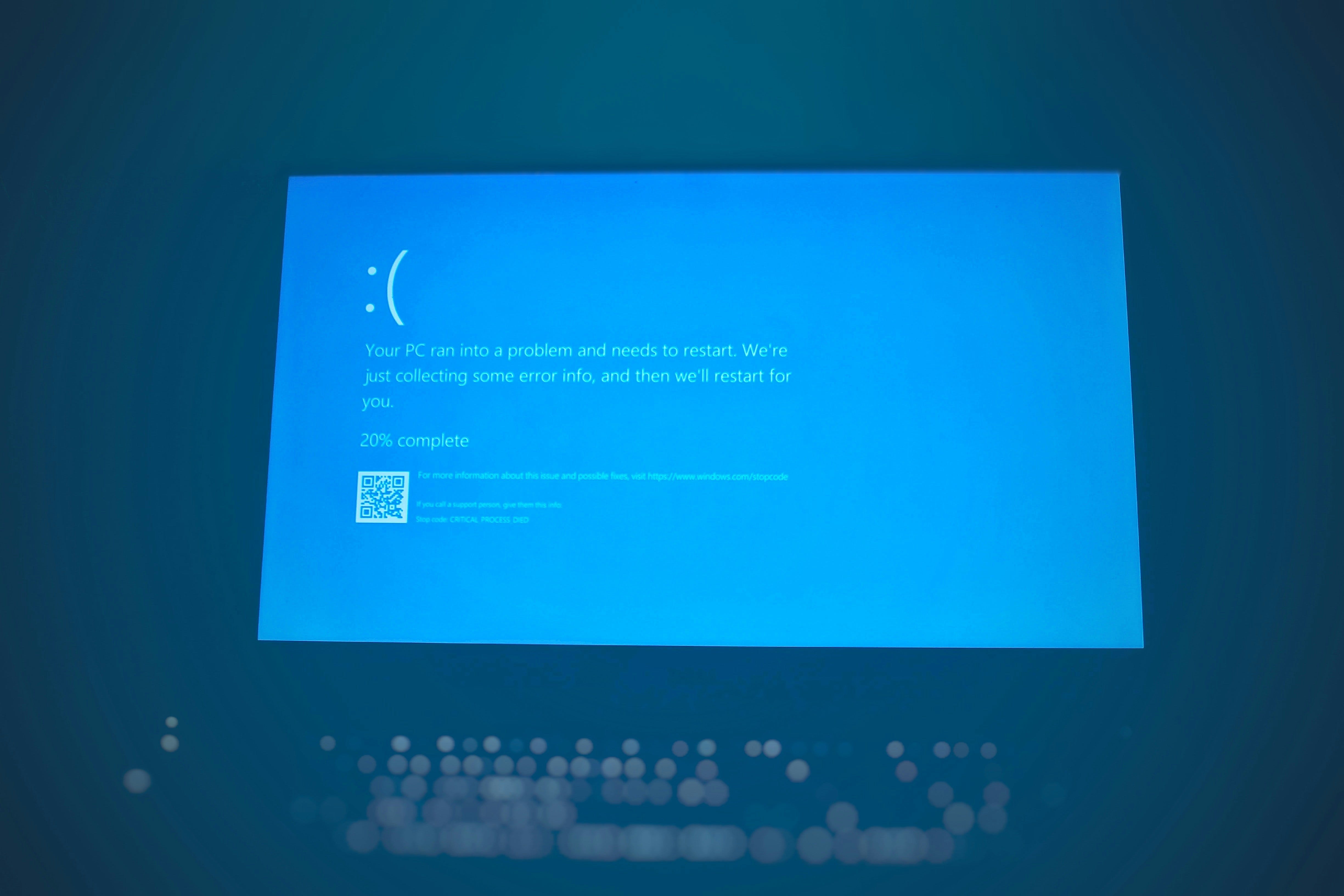
Photo by Joshua Hoehne on Unsplash
The Brain Connects New Fear to Old Threat
Every time I doubt my competence or worry that burnout permanently rewired my capacity, my brain does this neat party trick. It pulls up the file labeled “Professional Harm from That Era.” No prompting needed. Pattern recognized. Threat mapped.
That’s how autistic trauma memory works. It’s not about the individual. It’s about the repeating shape of the danger.
If you’ve ever had someone who made you question your competence or your reality, you know this. You can be going about your day and — bam — one wobble about the future and suddenly you’re replaying something from months or even years ago. Your brain isn’t torturing you. It’s trying to protect you from round two.
Anger Is Easier Than Fear
When I worry that I’ll never get back to where I was before autistic burnout…
When I wonder if the skill loss is permanent…
When the future feels unstable…
…I don’t feel afraid. I feel angry.
Anger is a shield. Fear is exposure. Anger gives the illusion of control. Fear just makes you feel small. And autistic folks are particularly good at grabbing the emotion that feels most stabilizing because that’s how we’ve kept ourselves functional in chaotic systems.
The Unfinished Story
Closure is a luxury. You only get it when everyone involved wants the truth. Some of us don’t get that. We get spun narratives and polite lies and “let’s not talk about it” endings.
Autistic brains don’t tolerate unresolved contradiction well. So, every little professional uncertainty pulls on the same loose thread that never got tied off.
If you’ve ever been harmed and had to carry the truth alone, you get this. The wound stays open because your system won’t stitch itself in a contaminated environment. It waits for safety, not the calendar.
And beneath all of this sits one of the hardest truths. We could lose our house because I couldn’t jump back into full-time work while I was still in medical burnout. The notice period that was supposed to give me a cushion, a plan, a fighting chance, evaporated the moment leadership decided to rewrite the timeline for their comfort. I was still trying to heal. They turned the floor into a trapdoor. Of course my system still reacts to that.
This is the point where my brain starts offering solutions that aren’t actually solutions. Write her a letter. File the claim after all. Hold her accountable in ways that feel satisfying for five minutes and miserable for five months. It’s not that I want revenge. It’s that my autistic brain cannot stand the contradiction of harm with no resolution. It wants the loop closed. It wants the truth on record. It wants the scales balanced. But those impulses aren’t healing. They’re desperation dressed up as strategy.
The Part of Me Trying to Protect the Rest of Me
What I didn’t understand until recently is that my brain isn’t stuck on her. It’s stuck in protect mode. It remembers how overwhelmed I was, how unsupported, how much masking I did just to stay upright, how close I came to breaking. And it also remembers that I’m still not fully recovered. The fatigue is real, especially the cognitive kind. My system knows I don’t have the same bandwidth I once did, so it overcorrects to keep me safe.
Of course it overreacts now. Of course it sounds the alarm early. This is what an autistic nervous system does when it learned the hard way that no one else was looking out for it.
The timing of the anger isn’t failure. It’s my system finally coming back online.
If This Is You Too, You’re Not Broken
If your mind drags old harm into new fear, you’re not malfunctioning. You’re doing what autistic systems do brilliantly: connecting dots, recognizing danger patterns, trying to prevent a repeat.
A few things worth remembering:
• You’re not stuck. You’re stabilizing.
• This isn’t pointless rumination. It’s your system responding to unfinished business.
• Anger isn’t the beginning of healing, it’s the middle.
• Your brain is referencing the past so you can survive the present.
And here’s another truth I’m finally starting to believe: someday this will be behind me. I’ll be able to talk about it without heat in my cheeks or a knot in my gut. It’ll be part of my history, not part of my wiring. Maybe even one of those life stories people shrug about and say, “If that hadn’t happened, I wouldn’t be where I am now.”
But I’m not there yet. I’m still in the part where the pain is recent enough to matter. I get to honor that before I outgrow it.
The day will come when my first thought during self-doubt isn’t a flashback. It’ll be my own voice again. And that’s when I’ll know the past has finally stayed in the past.
Very relatable words, even taken out of context and into many other areas of our lives.