
The Look
What it costs to seem okay.

I’ve gotten good at looking okay.
Not the performative unraveling kind.
Just functional enough to hit all my targets while deteriorating on the inside.
Until it becomes the spilling out of everywhere kind.
Messages go out on time.
Meetings stay on track.
Deadlines are met.
No one notices the cracks unless I point them out.
I picture myself as a dedicated bartender.
Balancing a tray stacked with overfull, overpriced glasses,
the kind noone can afford to replace.
I make it to the table.
I set it down without a spill.
And then I quietly fall down the stairs.
Most of the time, I’m great at sounding calm when I’m not.
A master of saying “overextended” when I mean “barely hanging on.”
I learned early how to move through the world without triggering concern.
And I know the look I get when I say,
“Actually, I’m not okay.”
Not concern. Disruption.
That sideways glance that says,
“You don’t seem like someone who’s struggling,”
but carries the subtext:
Why are you causing problems again?
The look fades, but the words replay.
Long after the meeting ends.
Way past the shutdown.
It makes me question what I feel.
Am I exaggerating?
Is this just stress?
Am I making this up?
Even when my body is screaming.
Even when my mind is locked.
Masking doesn’t just hide pain.
It teaches you to doubt its existence.
But it is real.
I’m not fragile.
I’m not dramatic.
I’m just practiced at making it easier for other people to stay comfortable.
So when I fall down the stairs,
it surprises everyone but me.
Still contradictory. Still happening.
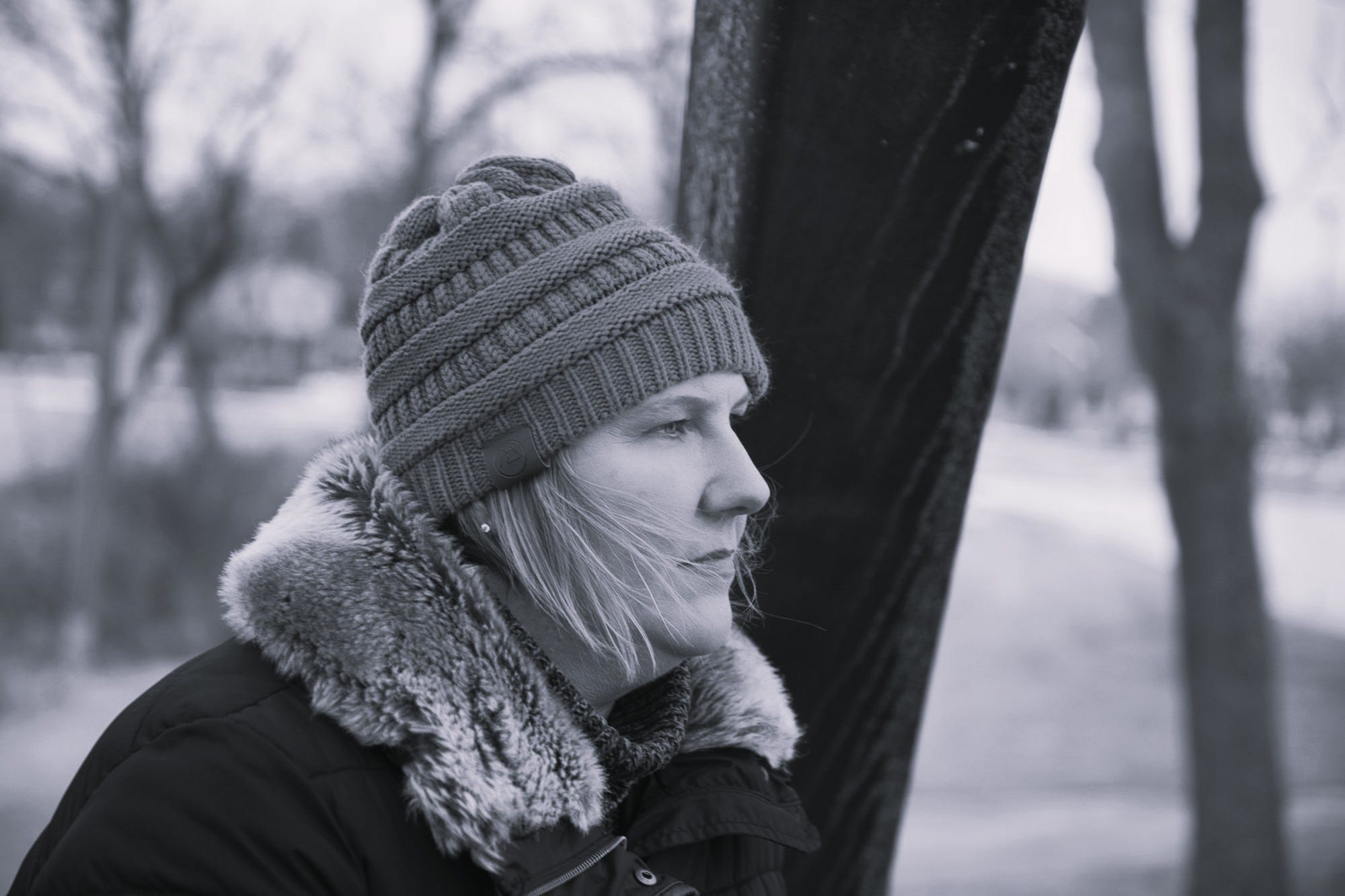
Photo by Tona Williams