

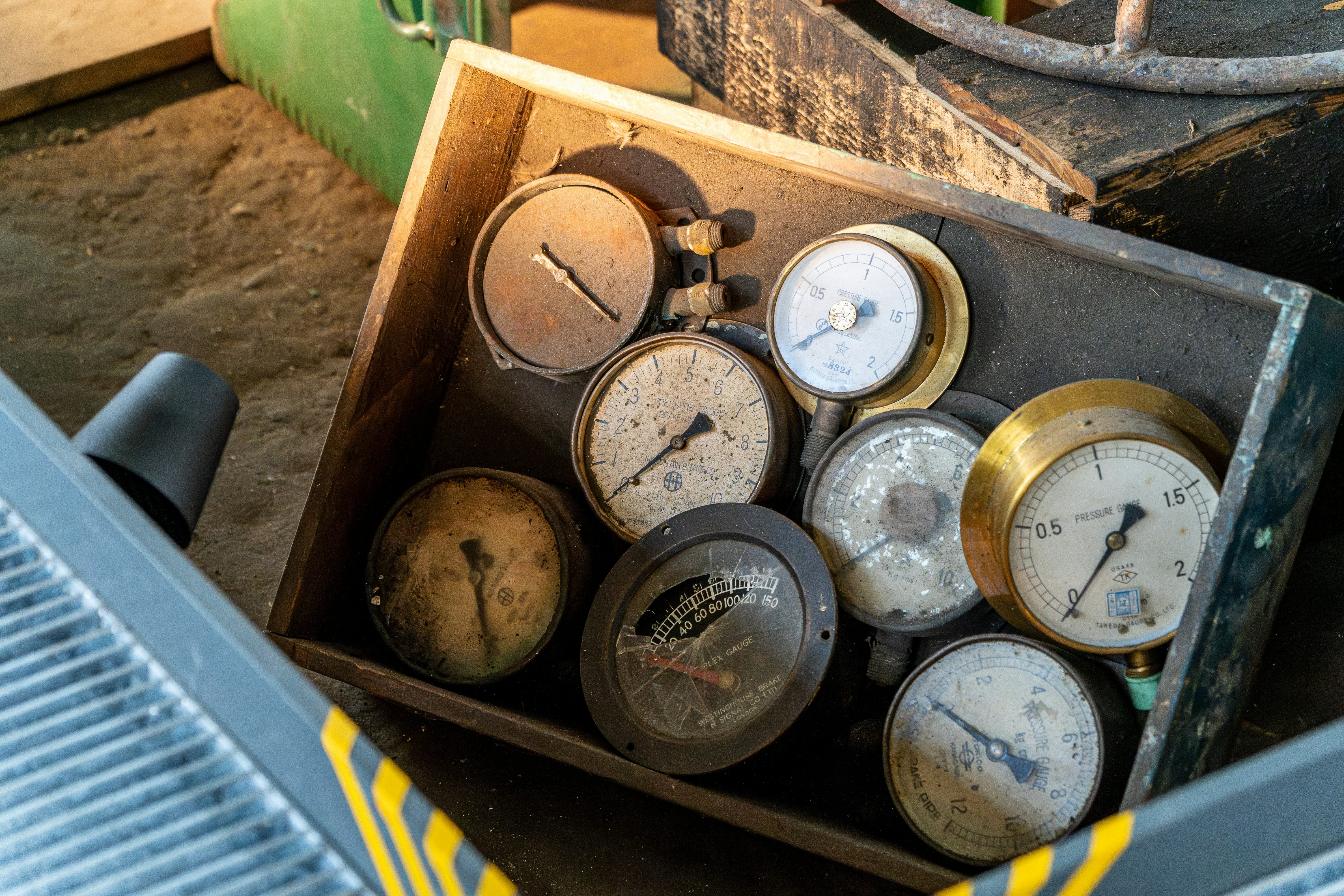
Photo by Winston Chen on Unsplash
I was going to take this week off.
I finished Mapping the Territory of Coherence, and I meant it — I was done, I was tired, and I had said what I came to say. And then this morning, I released The Book I Didn’t Know I Was Craving and sat down with Jaime Hoerricks’ final piece in the WH- Questions series, and something happened in my chest. A pressure. The kind that builds and spreads until it has nowhere to go but out. I’ve learned, over time, that when that happens, I have two options: shout or write. I’m writing.
I think you’ll recognize this feeling. The one that comes not from encountering something new, but from encountering precise language for something you’ve always known. Jaime’s piece didn’t introduce anything new to me; instead, it gave what I already carried a name. And naming, for those of us who have spent years being told our knowing was too slow, too big, too contextual, too much, lands like pressure-releasing. And then, sometimes, the pressure builds. Because now you have to do something with it.
This is what I did with it.
Nobody told me I was too much.
They didn’t have to.
It was in the slight pause before the subject changed. The way the room recalibrated when I named something true with the volume it actually deserved. The careful, gentle redirect. The unspoken consensus that what I’d just done — feel it fully, say it clearly, let it land — was a little more than the occasion called for.
I learned the lesson without a lesson.
What I carry — the pattern recognition, the accumulated weight of watching people suffer through systems I can name and trace and feel in my own nervous system — that doesn’t compress. It builds. And when it finally moves, it moves with the force of everything it’s been holding.
That’s not dysregulation. That’s physics.
But the rooms I’ve lived in were not built for that kind of pressure. So, when it came out — usually in service of someone else’s pain, usually because I couldn’t stand watching them not see what I could see — the response was always some version of whoa. Let’s bring it down. Let’s be careful here.
Not: what are you carrying that made that necessary?
Not: what did you just see that the rest of us missed?
Just: less.
And when you see the entire world with that kind of clarity — the good too, yes, but the scales tipped, and the larger grief being that people have had to sand down their own integrity lines just to survive — you hold it. You always hold it.
And then when it comes out, the response is what? It’s not really that bad. You’re catastrophizing.
As if the problem is your perception. As if you didn’t just describe, with precision, what they already half-know and have made their peace with. As if the unbearable part isn’t the seeing, it’s that you refused to stop seeing, or (like me) cannot stop seeing, and now they have to be in the room with someone who won’t pretend.
I am not too much. I have been in rooms too small for what I actually am.
And I am asking you to make yours bigger.
Raise your integrity line. Open your eyes, just a little. Stop turning away from what you already know is there. Because the bullies and the systems they swim in survive on your looking away. They are sheltered by your willingness to make peace with what you half-see and file under ‘not my problem’ or ‘probably not that bad’.
It is that bad. You know it is. And somewhere in you, the part that hasn’t fully made its peace yet — that part is still watching, still waiting to see if you’ll move.
Move. Please.
I know how hard that is. Especially for those of us who are language-delayed in the moment, where standing up in real time means predicting a conversation that cannot be predicted, doing immense prework, and then losing every word the second they are spoken anyway. I use writing instead. It is the only room where I don’t lose myself before I finish the sentence.
So, this is me, using the room I have.
I am an autistic, gifted, gestalt processor and perceiver — which means I see things with clarity but cannot always communicate them in spoken language. And that’s exactly why this bridge needs to exist: people like me naming what we see, and people who can speak using what we perceive as a guide.
But it can’t just be about building a bridge from one small room to another. It has to be about making the rooms themselves bigger — shared, expansive, able to hold more of us and more of what’s true. We need bigger rooms for bigger truths. This is how things need to develop if we want to change the world.
To those of you who can speak in the rooms I can’t, I am asking you to take this with you. Say the thing I would have said. Stand where I would have stood. You don’t have to carry what I carry. Just don’t look away.
I didn’t mean to do it 😳🙃😉💋🫂😊❤️
I read you, I heard you and I see you 🖤🧣🐦🔥